
PVC Tape Pricing System: A Complete Guide for B2B Buyers
author: Lily
2026-05-13

Pricing for PVC tape is never a single number. For identical specifications, quotes from different suppliers can vary by 20% to 50%. The gap does not simply come from cheaper prices, but differences in material formulas, processing depth, packaging and logistics, as well as quality consistency. This page serves as a practical toolkit to explain quotations, support negotiation and cut your Total Cost of Ownership (TCO). It combines cost structure, quotation logic, procurement strategies and risk control to help you make data-driven purchasing decisions.
1. Cost Structure Breakdown
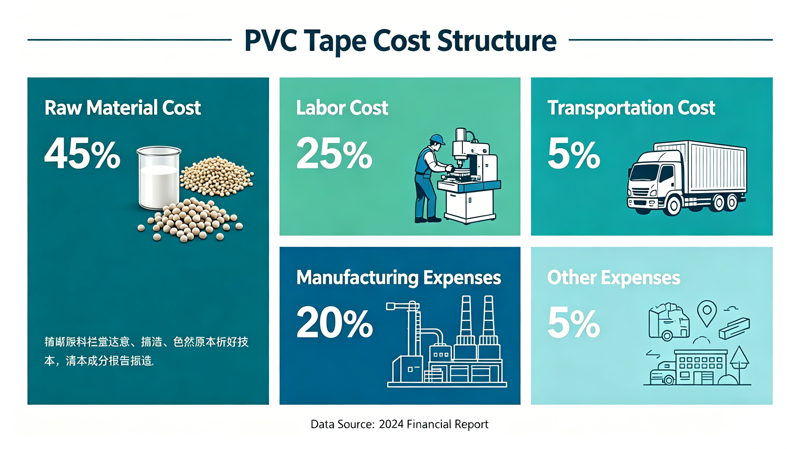
Four core components decide the base price of PVC tape:
- Raw materials (55%–65%): PVC resin, adhesive, flame-retardant additives and color pigments are the largest cost drivers. High-grade materials for automotive and electrical applications cost more than standard versions.
- Processing & labor: Cutting, slitting, UV curing and quality inspection add extra costs, especially for ultra-thin or customized PVC tape.
- Packaging & logistics: Standard polybag packaging keeps costs low; customized cartons, labeling and cross-border freight will raise the final price.
- Certification & QC: Products with RoHS, REACH and flame-retardant certifications require strict testing, leading to a reasonable price premium.
2. Price Differences by Procurement Model
- Bulk wholesale: Full container or pallet orders enjoy the lowest unit price, with unified packaging and standard delivery.
- Custom order: Custom sizes, colors, printing or special formulas increase processing fees and setup costs.
- Small-batch retail & trial order: Higher unit price due to scattered production and separate packaging.
3. Key Variables Affecting Quotations
Multiple factors cause price fluctuations: tape thickness, width and length, flame retardant and temperature resistance grades, custom printing requirements, brand positioning, and real-time raw material prices. International buyers also face extra costs from currency exchange and customs duties.
4. MOQ and Tiered Pricing
PVC tape adopts obvious volume-based pricing gradients:
- Orders below standard MOQ: Extra small-batch surcharge applies, with the highest unit price.
- Standard bulk orders: Basic factory price with regular discounts.
- Large-volume long-term contracts: The most favorable rate and priority delivery. Custom products usually set higher MOQ due to production setup costs.
5. Hidden Costs to Avoid
Many buyers only focus on unit price while ignoring hidden expenses:
- Rework and replacement costs caused by unstable quality.
- Capital occupation from excessive inventory.
- Extra fees for delayed delivery and emergency shipment.
- Losses from non-compliant products being detained in customs. Low-cost tape often leads to higher overall TCO.
6. Tailored Pricing Strategies for Different Buyers
- Distributors & wholesalers: Prioritize bulk price and stable supply, sign long-term contracts to lock costs.
- OEM & manufacturers: Balance cost and compliance, select certified tape matching production standards.
- Engineering & retail buyers: Choose flexible small-batch solutions and control comprehensive costs.
7. How to Obtain Comparable Quotes
To make fair price comparison:
- Unify all specifications: size, thickness, material grade and certification standards.
- Confirm unified trade terms (FOB, CIF) and delivery address.
- Ask suppliers to list itemized costs instead of a single total price.
- Compare sample quality together with quotations.
8. FAQ
Q1: Why do same-spec PVC tapes have big price gaps?
A: The main differences lie in raw material grade, production process, quality control and certification, rather than surface specifications.
Q2: How to lower the total cost instead of just chasing low unit price?
A: Optimize order volume to match MOQ, choose qualified stable suppliers, and reduce rework and logistics hidden costs to cut TCO.
Q3: Can MOQ be negotiated?
A: For long-term cooperative customers, suppliers can properly adjust MOQ or combine multiple items for combined ordering.
Q4: Will raw material prices affect long-term contracts?
A: Formal contracts will set floating clauses for raw material fluctuations to protect both parties’ interests.
Wire Harness Manufacturer: A Complete Evaluation Framework for Sourcing & Partner Selection
Wire Harness: Market & Supply Chain – A Practical Decision Guide for OEMs, Tier Suppliers & Procurement Teams
Related Article
This guide unifies standard terms of PVC insulating tape, clarifies naming differences in different scenarios, fixes common misunderstandings and offers templates for precise procurement inquiries.
PVC Tape for Electrical Insulation: Standard Naming, Terminology & Accurate Inquiry Guide

This guide covers standard electrical terms of PVC electrical tape, explains key parameters and offers scene-matched selection suggestions for electrical engineering buyers.
PVC Electrical Tape: Professional Terminology & Application Selection Guide
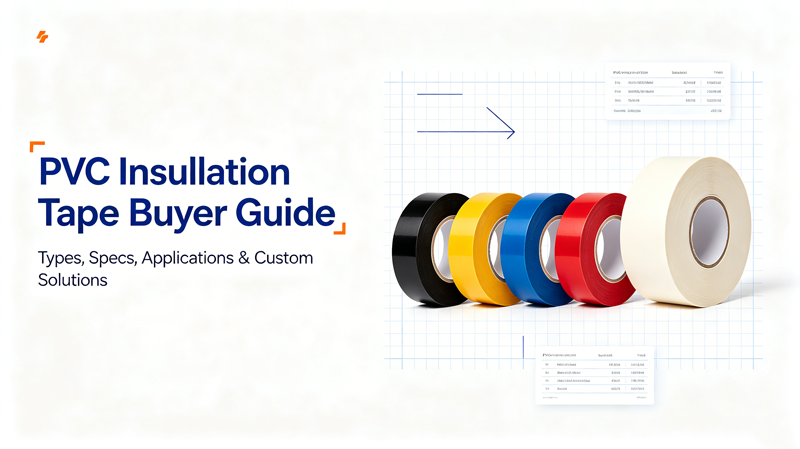
This buyer guide covers definition, core forms, specs, applications and comparisons of pvc insulation tape, answering common procurement questions and offering OEM customization solutions.
PVC Insulation Tape: Definition, Core Forms & Complete Buyer Guide
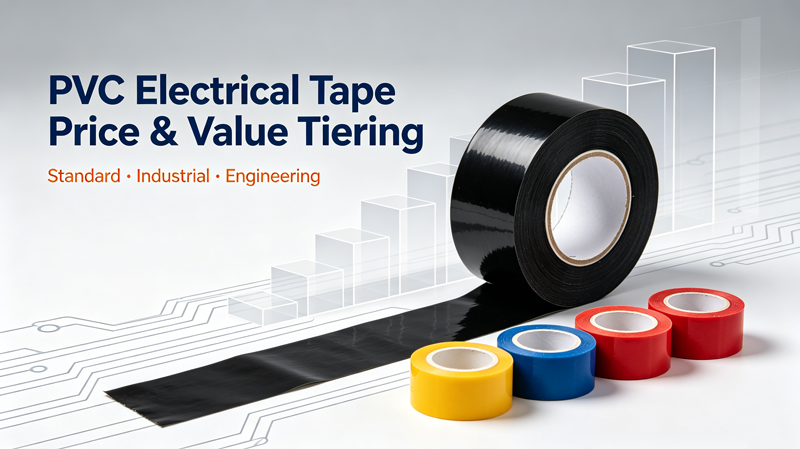
This article analyzes PVC electrical tape prices based on three performance grades rather than raw material costs, explains price differences, warns of low-cost pitfalls, and guides buyers to select matching tape for different wiring uses.
PVC Electrical Tape Price & Value Tiering: It’s Not Just About Raw Material Cost