
PVC Electrical Tape Supplier Ecosystem: How to Navigate the Procurement Chain
author: Lily
2026-05-08
When it comes to sourcing PVC electrical tape, many buyers only see the end product on a shelf — but the reality is that every roll is shaped by a complex ecosystem. Engineers define requirements, procurement teams negotiate prices, distributors manage delivery, and manufacturers determine performance. Understanding this ecosystem is the first step to avoiding costly mismatches and building a reliable supply chain.
1. The 4 Key Roles in the Electrical Tape Procurement Ecosystem
Every procurement chain is made up of distinct players, each with their own priorities:
- The Technology Definer (Engineers & Designers): They set the bar for performance: dielectric strength, flame retardancy, temperature resistance, and regulatory compliance (UL 510, RoHS, IEC). Their focus is safety, reliability, and long-term performance.
- The Cost Decision-Maker (Procurement Teams): They balance technical requirements with budget constraints, negotiating pricing, MOQs, and payment terms. Their focus is cost efficiency and contract terms.
- The Supply Enabler (Distributors & Traders): They manage inventory, logistics, and lead times, bridging the gap between manufacturers and end customers. Their focus is availability, speed, and local support.
- The Performance Guarantor (Manufacturers): They control the raw materials, formulations, and production processes that determine the tape’s real-world performance. Their focus is quality consistency, scalability, and customization.
2. Where Procurement Conflicts Arise
Tension in the chain often comes from misaligned priorities:
- Technology vs. Cost: Engineers demand premium materials and testing; procurement pushes for lower-cost alternatives. This is the root of most “cheap tape failures.”
- Stability vs. Flexibility: Manufacturers prefer large, consistent orders; buyers want just-in-time, small-batch flexibility.
- Standards vs. Reality: Regulatory and design standards are strict, but cost pressure often leads to compromises in materials or testing.
3. The PVC Electrical Tape Procurement Decision Flow
Understanding the process helps you identify risks early:
- Define Requirements: Engineers specify performance standards, certifications, and application needs.
- Source & Qualify Suppliers: Procurement evaluates manufacturers, distributors, and their capabilities.
- Negotiate & Select: Balance cost, lead time, quality, and support to choose a partner.
- Test & Validate: Run performance tests on samples to ensure they meet specifications.
- Monitor & Adjust: Track delivery, quality, and performance over time, making adjustments as needed.
4. Why the Same PVC Tape Performs Differently in Different Procurement Systems
The same product can fail in one chain and succeed in another — it all depends on how the ecosystem works together:
- Poor Communication Between Roles: If procurement selects a cheaper tape without sharing the full technical requirements, engineers will face safety and reliability issues.
- Lack of Visibility into the Supply Chain: Distributors may substitute products without the buyer’s knowledge, leading to non-compliant tape being used.
- Unverified Manufacturer Capabilities: A tape that passes initial samples may fail in mass production if the manufacturer lacks consistent quality control.
5. “Wrong Matching” Is the Biggest Procurement Risk
The most common and costly mistake is matching the wrong product to the wrong role’s priorities:
- Choosing a low-cost, non-certified tape for a high-voltage electrical application.
- Using a generic tape for a harsh environment application that requires specialized temperature resistance.
- Working with a distributor who cannot trace the tape back to its manufacturer, leaving you without accountability if problems arise.
6. How to Optimize Your PVC Electrical Tape Procurement Ecosystem
You can reduce risk and improve outcomes by aligning your chain:
- Break Down Silos: Bring engineers, procurement, and quality teams together to define requirements and evaluate suppliers.
- Choose the Right Partner Type:
- For custom or high-spec applications: Work directly with the manufacturer.
- For standard products with fast delivery needs: Partner with a reputable distributor.
- Demand Transparency: Require full traceability, test reports, and documentation from your supplier.
- Build Long-Term Relationships: Stable partnerships reduce the risk of substitutions, delays, and quality issues.
7. How Different Roles Impact the Final Price
Every player in the chain adds cost and value — and understanding where your money goes helps you make better decisions:
- Manufacturer: Their cost includes raw materials, production, testing, and compliance. They add value through quality control and customization.
- Distributor: Their cost includes inventory, logistics, and support. They add value through local availability and flexible ordering.
- Procurement: Their focus on cost efficiency can lead to savings, but it can also lead to risk if it overrides technical requirements.
- Engineers: Their focus on performance ensures safety and reliability, which can reduce long-term costs from failures and rework.

FAQ
Q1: Should I work directly with a manufacturer or use a distributor? A: It depends on your needs. Direct manufacturers are best for custom products, high volumes, or strict quality control requirements. Distributors are ideal for standard products, small orders, or fast delivery needs.
Q2: How can I verify that the tape meets UL or other standards? A: Always ask for a copy of the certification, and confirm that the product is listed under the manufacturer’s name. Avoid generic “UL-approved” claims without documentation.
Q3: What should I do if my tape fails after switching suppliers? A: First, check if the product meets your original technical requirements. Then, verify the supplier’s traceability and testing records. Working directly with the manufacturer can help resolve these issues faster.
PVC Tape: Ideal Choice for Wholesale & Bulk Procurement
PVC Adhesive Tape Factory System: Your Trusted, Scalable Partner for Stable & Customizable Supply
Related Article
This guide unifies standard terms of PVC insulating tape, clarifies naming differences in different scenarios, fixes common misunderstandings and offers templates for precise procurement inquiries.
PVC Tape for Electrical Insulation: Standard Naming, Terminology & Accurate Inquiry Guide

This guide covers standard electrical terms of PVC electrical tape, explains key parameters and offers scene-matched selection suggestions for electrical engineering buyers.
PVC Electrical Tape: Professional Terminology & Application Selection Guide
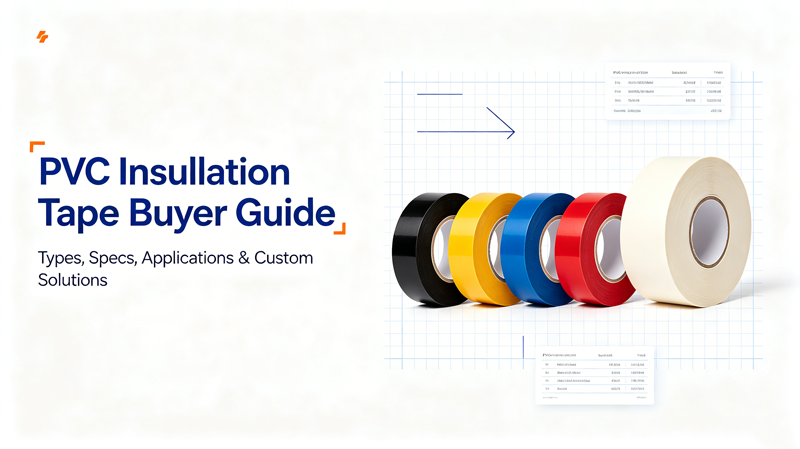
This buyer guide covers definition, core forms, specs, applications and comparisons of pvc insulation tape, answering common procurement questions and offering OEM customization solutions.
PVC Insulation Tape: Definition, Core Forms & Complete Buyer Guide
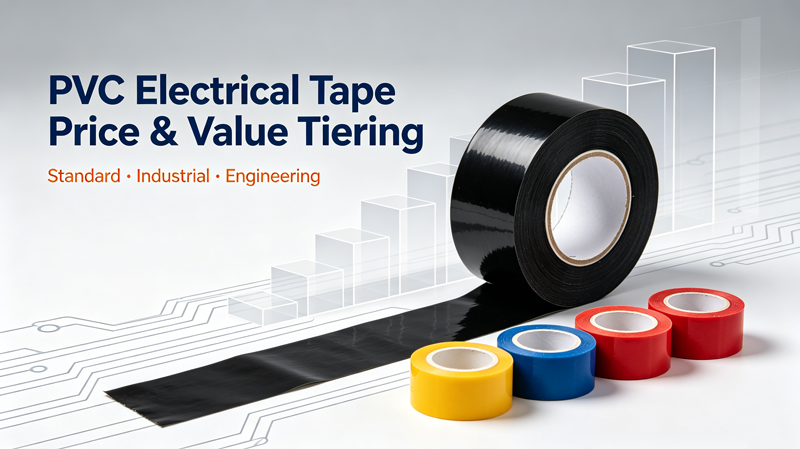
This article analyzes PVC electrical tape prices based on three performance grades rather than raw material costs, explains price differences, warns of low-cost pitfalls, and guides buyers to select matching tape for different wiring uses.
PVC Electrical Tape Price & Value Tiering: It’s Not Just About Raw Material Cost