Complete Analysis of Tape Classification Including Electrical Tape Bilingual Illustrated Guide
I. Overview of Tape Classification (Including Electrical Tape Positioning)
Tape is widely used in daily life and industrial scenarios. Among them, electrical tape, as a special-purpose tape, its quality is directly related to electrical safety. Inferior products may cause risks such as electric leakage and short circuit. Whether it is ordinary transparent tape, yellow tape, or special tapes like PVC electrical tape, mastering scientific quality identification methods is crucial. The following will share practical tape quality identification techniques from multiple dimensions such as appearance, specifications and performance, taking into account the characteristic differences between general tape and electrical tape.
II. Core Classification Logic of Tapes
Tapes are mainly classified based on two core dimensions: substrate and adhesive type. Different categories cover various types, and electrical tape has a clear attribution in both dimensions:
1. Classification by Substrate: Determines Basic Performance
Substrate is the basic guarantee of tape performance. According to this dimension, it can be divided into paper-based, cloth-based, film-based and other types: paper-based tapes such as kraft paper tape and masking tape; cloth-based tapes such as duct tape; film-based tapes such as sealing tape with BOPP substrate and electrical tape with PVC substrate. Electrical tape mostly uses PVC film or cloth base as the substrate to provide basic support for insulation performance.
2. Classification by Adhesive Type: Adapts to Different Scenarios
According to the type of adhesive, it can be divided into solvent-based, emulsion-based, hot-melt, calendered and reactive tapes. Electrical tape mostly uses pressure-sensitive adhesive, which has good initial adhesion and long-lasting adhesion, meeting the insulation and fixing needs of wire winding; special types such as high-temperature tape will use high-temperature resistant reactive adhesive.
In addition, the basic composition of tape includes substrate, adhesive and release paper (film). The difference between different types mainly lies in the material selection of substrate and adhesive. For example, the adhesive of electrical tape will focus on insulation and aging resistance.
III. Characteristics and Uses of Common Tape Types (Including Electrical Tape)
Based on the above classification logic, common tape types on the market have their own characteristics. Among them, electrical tape has significantly different performance in material and use due to special functional requirements:
1. General Packaging Tapes: Main Force in Daily Scenarios
- Sealing Tape: With BOPP (biaxially oriented polypropylene film) as the substrate, coated with pressure-sensitive adhesive on one or both sides, it has the characteristics of transparency, gloss and printability. It is mainly used for packaging and sealing, and is a common consumable in logistics and e-commerce fields, which is clearly different from the insulation use of electrical tape.
- Transparent Tape: A subdivision of sealing tape, with BOPP substrate coated with pressure-sensitive adhesive on one side, divided into transparent white, beige and other colors. It is mostly used for daily office and small packaging pasting, with adhesion and insulation inferior to electrical tape.
- Kraft Paper Tape: Originally made of cowhide, now mostly made of wood fiber synthesized and chemically treated. It has paper characteristics and is suitable for heavy packaging sealing and carton splicing. It has no insulation performance and is complementary to electrical tape in function.
2. Construction and Decoration Tapes: Accurate Masking and Fixing
- Masking Tape: With textured paper as the substrate coated with pressure-sensitive adhesive, it can be reused without residue. It is mainly used for masking in decoration and painting fields. It has weak adhesion and no insulation function, which is significantly different from electrical tape in electrical scenario adaptability.
3. Special Functional Tapes: Adapt to Harsh Scenarios (Including Electrical Tape)
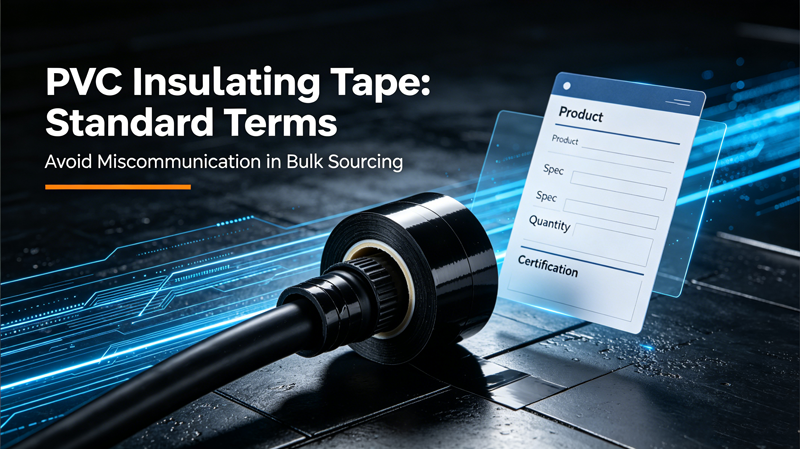
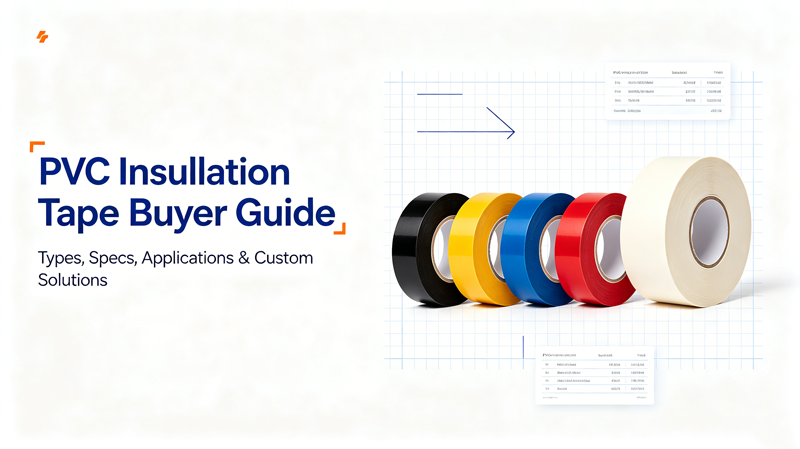
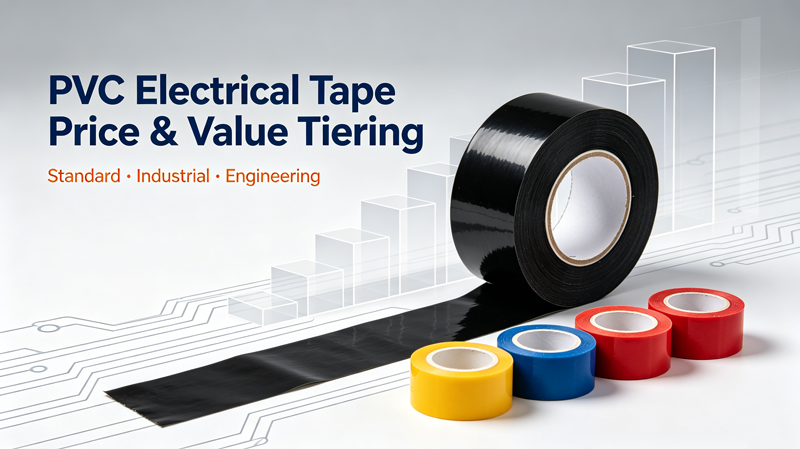
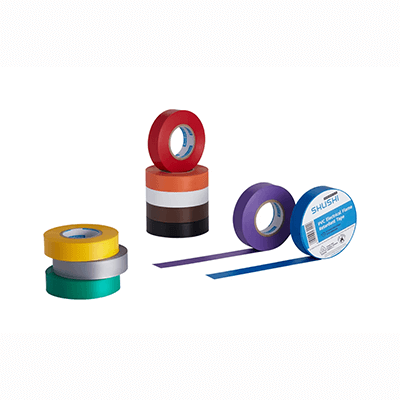
- Electrical Tape: A special film-based or cloth-based tape, mostly made of PVC or cloth fiber as the substrate, coated with insulating pressure-sensitive adhesive. It has excellent insulation and aging resistance. Some cloth-based electrical tapes also have waterproof and anti-corrosion properties. It is mainly used for insulation protection of wires and cables, joint winding, and insulation treatment of motor and electronic components. It is a core consumable in electrical maintenance and industrial production. The biggest difference from ordinary tape lies in the mandatory requirement of insulation performance.
- Duct Tape: With gauze fiber thermally compounded as the substrate, coated with polyethylene high-adhesive glue on one or both sides. It has strong peel resistance, tensile strength, waterproof, anti-corrosion and high-temperature aging resistance. Some high-performance duct tapes can be used as upgraded products of electrical tape for more harsh electrical insulation scenarios.
- High-Temperature Tape: Adaptable to high-temperature environments of 120℃-260℃, mostly film-based or cloth-based substrate coated with high-temperature resistant adhesive. It is mainly used in electronic industry for spray painting masking, PCB high-temperature processing and other scenarios. Some high-temperature insulating tapes can be used with electrical tape in high-temperature electrical environments.
4. Brand and Special Purpose Tapes
- Printed Tape: With BOPP and other substrates, it can be customized to print brand logos. It is mainly used for brand packaging sealing and promotion. Its adhesion is similar to sealing tape, with no insulation performance, and its functional positioning is completely different from electrical tape.
Different from PVC electrical tape which is used for insulation protection, non-woven single-sided tape takes bonding and fixing as its core function and is widely used in assembly scenarios of multiple industries.
Comprehensive Guide to Electrical Insulating Tape: Performance Analysis, Quality Inspection & Selection Tips
Comprehensive Analysis of Industrial Tape Classification Including Electrical Tape
Related Article