Complete Bilingual Guide to Distinguishing Tape Quality Including Electrical Tape
I. The Importance of Tape Quality Identification (Including Electrical Tape Adaptability)
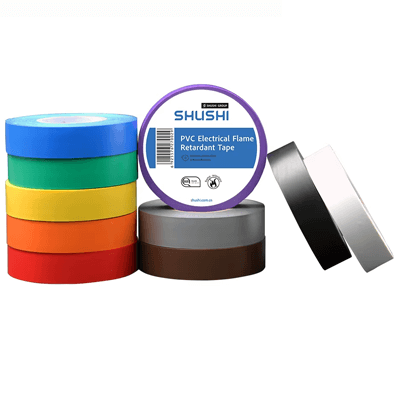
Tape is widely used in daily life and industrial scenarios. Among them, electrical tape, as a special-purpose tape, its quality is directly related to electrical safety. Inferior products may cause risks such as electric leakage and short circuit. Whether it is ordinary transparent tape, yellow tape, or special tapes like PVC electrical tape, mastering scientific quality identification methods is crucial. The following will share practical tape quality identification techniques from multiple dimensions such as appearance, specifications and performance, taking into account the characteristic differences between general tape and electrical tape.
II. Core Techniques for Tape Quality Identification
1. Observe Color: Distinguish Impurity Content and Relate to Adhesion
Observing color is a simple and intuitive identification method. For transparent tape, the whiter the color, the less impurity content it has, which can better ensure normal adhesion; for yellow tape or PVC electrical tape, it is necessary to focus on checking whether there are irregular white spots on the surface. If there are marks that cannot be eliminated by hand pressing, they are mostly impurities or dried adhesive marks. Such products usually have an odor and are of poor quality. Especially for electrical tape, excessive impurities may affect insulation performance, so extra attention is needed.
2. Check Specifications: Recognize Standard Paper Tube Parameters
Paper tube specifications are hidden indicators of tape quality. The paper tube thickness of standard tape should be 3mm, and the diameter should be 7.8cm. Some inferior products use thinner paper tubes or reduce the diameter to save costs. Such products not only may have a shorter service life but also the actual length of the wound tape is prone to "insufficient quantity". Special tapes such as electrical tape have stricter requirements on packaging specifications, so you can check this parameter first when purchasing.
3. Smell Odor: Judge Environmental Protection and Adhesive Quality
Odor is a key signal to identify the quality of tape adhesive. If the tape emits a strong pungent odor or even a stench, it indicates that inferior adhesive is used. Such adhesive is not only environmentally unfriendly but also may contain harmful substances. Moreover, its adhesion durability is poor and it is easy to age and fail. High-quality tape (including electrical tape) should have no obvious odor. Especially for electrical tape, high-quality products mostly use environmentally friendly low-VOC adhesive to ensure use safety.
4. Inspect Surface: Check Adhesion Uniformity and Gaps
Carefully inspect the surface state of the tape, including whether both sides are sticky and whether there are gaps. High-quality tape is not sticky on both sides and is tightly wound without obvious gaps; if both sides are sticky or there are irregular gaps, it indicates poor production process and may have uneven adhesion. For electrical tape, uneven surface may also affect the sealing of insulation wrapping, so strict inspection is required.
High-temperature double-sided tape can be processed into a non-metallic compensator, a flexible connection device for pipes, which is specially designed to solve the damage caused by thermal expansion and contraction of pipes. Its base material, silicone cloth, has high temperature resistance, corrosion resistance, aging resistance, and good elasticity and flexibility. It can adapt to the deformation needs of pipes and is widely used in industrial fields such as petroleum, chemical industry, cement and energy, and is an important guarantee for the stable operation of pipe systems.
Fire resistance refers to the ability of an insulating material to resist combustion when in contact with a flame or to prevent continuous combustion when leaving the flame. With the increasing application of insulation materials such as PVC insulation tape in various scenarios (especially closed environments such as buildings and home appliances), the requirements for their fire resistance have become increasingly strict. The industry improves the fire resistance of insulation materials through various technical means such as adding environmentally friendly flame retardants. For PVC insulation tape, higher fire resistance means that when encountering open flames or high temperatures, it can more effectively prevent the spread of combustion, reduce the risk of fire, and ensure the safety of electrical systems and personnel.
5. Check Bubbles: Judge Winding Process
Bubbles on the tape surface can also reflect quality. High-quality tape is tightly wound with no obvious bubbles on the surface; newly produced tape may have a small amount of bubbles due to a small amount of air brought in during winding, which is normal. However, a large number of bubbles or dense distribution indicates an inferior product. If there are a lot of bubbles in electrical tape, it will lead to uneven thickness of the insulation layer and reduce insulation reliability.
6. Test Tension: Evaluate Substrate Toughness
Tension is an important manifestation of the quality of the tape substrate. During the test, you can pull the tape. If it breaks easily, it means the substrate has poor toughness and is an inferior product; the substrate of high-quality tape (such as transparent film, PVC substrate of electrical tape) has excellent toughness and is not easy to break. Especially for electrical tape, insufficient tension is easy to break during winding and use, affecting the insulation protection effect.
Sealing is an important auxiliary performance of insulation materials such as PVC insulation tape, referring to the material's ability to seal and isolate liquids or gases such as oil and water. Excellent sealing can prevent corrosive substances such as moisture and oil from invading the inside of wires or joints, avoiding problems such as reduced insulation performance and corrosion of metal conductors caused by moisture and oil pollution. For PVC insulation tape used outdoors, in humid environments or industrial oil-contaminated scenarios, its sealing directly determines the durability of insulation protection. Better sealing means stronger environmental adaptability and longer service life of the product.
7. Test Adhesion: Ultimate Detection of Core Performance
Adhesion is the core performance of tape, and there are various detection methods: Method 1, seal the box with tape and lift it suddenly. The more the surface of the box is peeled off, the better the adhesion; Method 2, cut a long piece of tape, fold it in half and fully fit it, then pull it suddenly. If it is not easy to pull apart or the tape breaks instead of separating during pulling, it means strong adhesion. For electrical tape, insufficient adhesion will cause it to fall off easily after winding, so it is necessary to confirm the adhesion stability through multiple bonding tests.
High-Temperature Tape vs. Ordinary Tape: Difference Analysis and Usage Notes
PVC Insulation Tape: Key Factors Affecting the Performance of Insulation Materials
Related Article