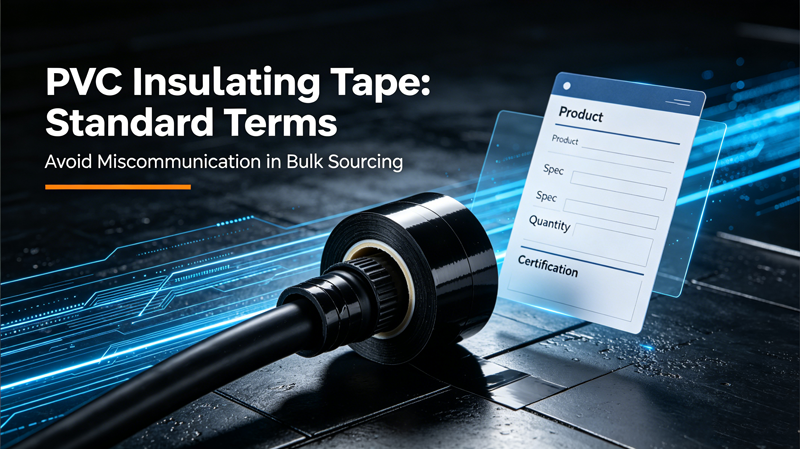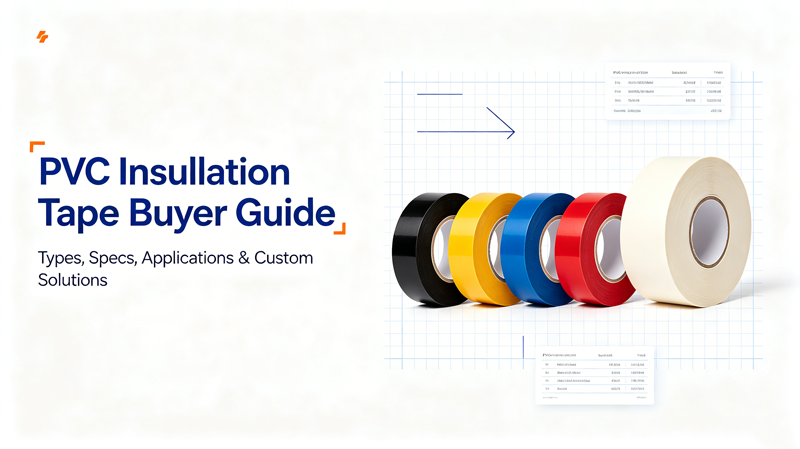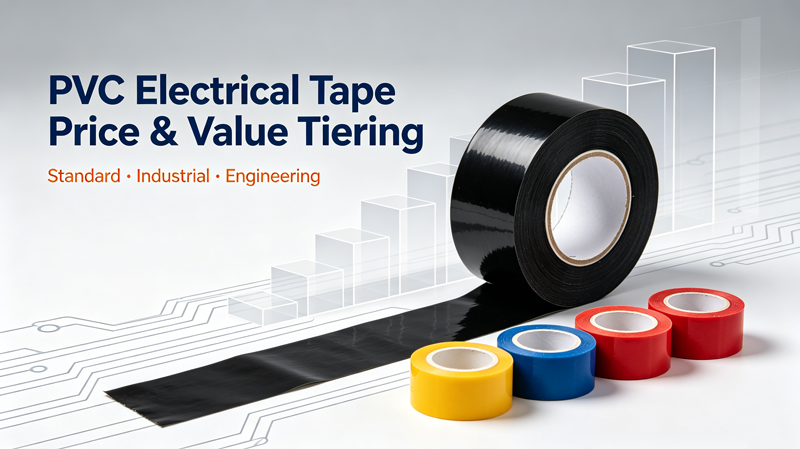
Comprehensive Analysis of Core Characteristics and Applications of Electrical Insulation Tape
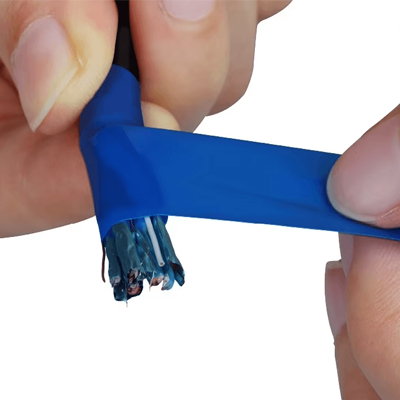
1.Basic Definition
Electrical insulation tape, a commonly used insulating and protective material in the electrical field, has the core function of preventing circuit leakage and providing reliable insulation protection, so it is also directly called insulating tape. Its design is centered on the insulation needs of electrical operations, and it is an indispensable basic consumable in electrical construction.
2.Core Composition
The structure of electrical insulation tape is mainly divided into two parts: baseband and pressure-sensitive adhesive layer. Among them, the baseband serves as the supporting foundation, and there are various material choices, such as cotton cloth, synthetic fiber cloth and plastic (such as PVC) film. Basebands of different materials will endow the tape with different physical strengths and applicable scenarios; the pressure-sensitive adhesive layer is the key to realizing adhesion and insulation. It is made of rubber, tackifier resin and other auxiliary additives, which can not only ensure that the tape is closely attached to substrates such as wires, but also provide excellent insulation performance and block the risk of current leakage.
3.Production Process
At present, there are two mainstream production processes for electrical insulation tape, namely the rubbing method and the coating method. The rubbing method uses a scraper to evenly coat the prepared adhesive on the baseband, which is suitable for scenarios requiring high adhesive layer thickness; the coating method uses coating equipment to continuously and evenly cover the surface of the baseband with adhesive, which has high production efficiency and is suitable for large-scale mass production. Both processes can ensure the stable quality of the tape.
4.Key Characteristics
The core advantages of electrical insulation tape are concentrated in multiple performances: first, excellent insulation and voltage resistance, which is the core of ensuring electrical safety and can effectively resist the electric field effect within the rated voltage range; second, it has flame retardancy, which can delay the spread of combustion and reduce the risk of fire in unexpected situations such as circuit short circuits; third, it has good weather resistance, which can adapt to changes in different ambient temperatures and humidities, ensuring stable performance in long-term use; in addition, the excellent adhesion can also ensure that the tape is not easy to fall off after wrapping, and continues to play a protective role.
5.Applicable Scenarios
Based on its comprehensive performance, electrical insulation tape is widely used in electrical work with voltage levels below 380V. Specific scenarios include wrapping insulation of wires and cables, insulation sealing of wire joints, protection of wiring points of electrical equipment, etc. Whether it is home circuit maintenance, industrial electrical installation or construction electrical construction, electrical insulation tape is an important tool to ensure circuit insulation safety.
Comprehensive Analysis of High-Temperature Double-Sided Tape Applications: From Electrical Insulation to Multi-Scenario Adaptation
Tape Products Are Widely Used In Life
Related Article